
 1 / 7
1 / 7Services · 04
Hydraulics — new, recon and repair
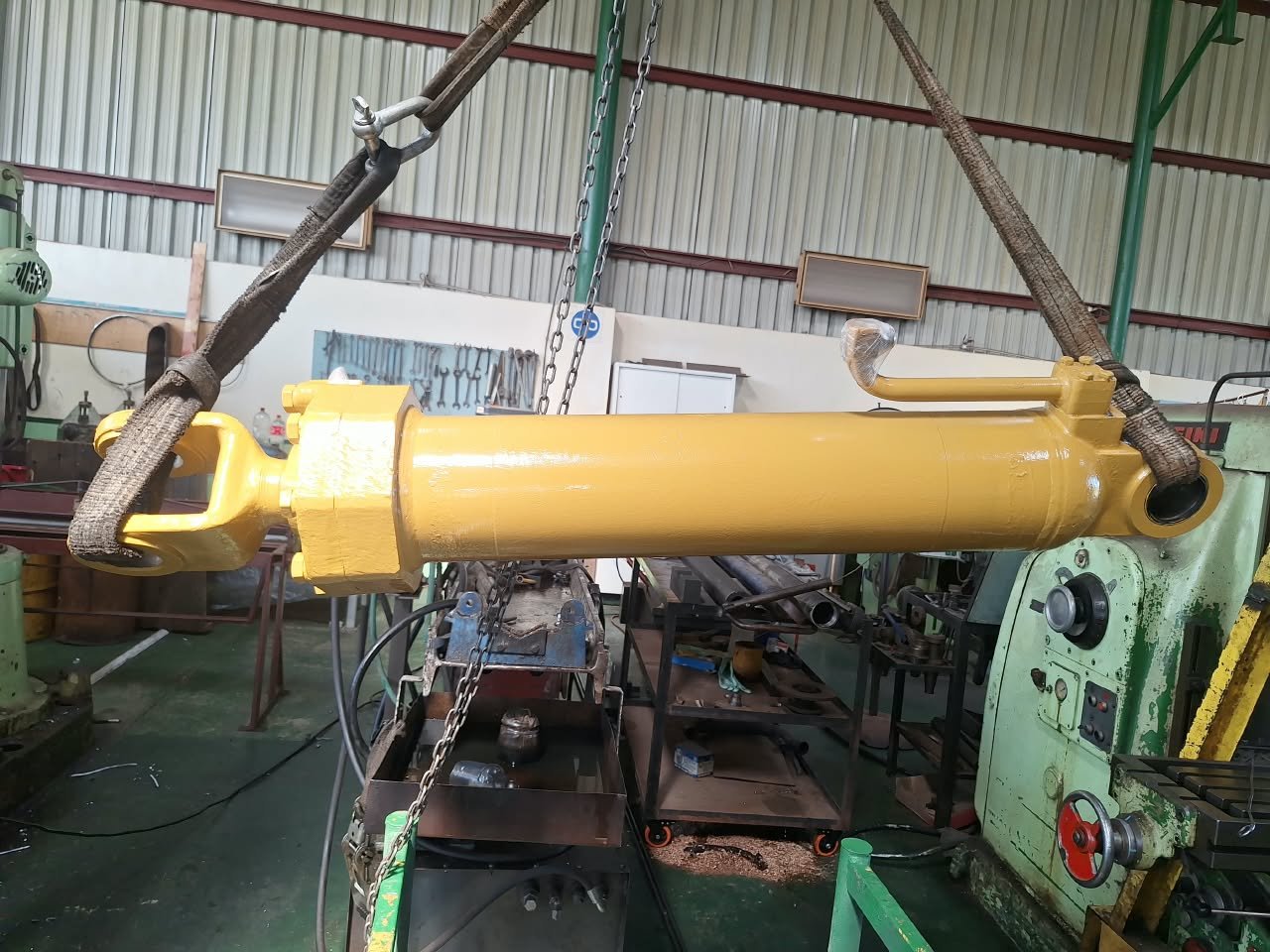
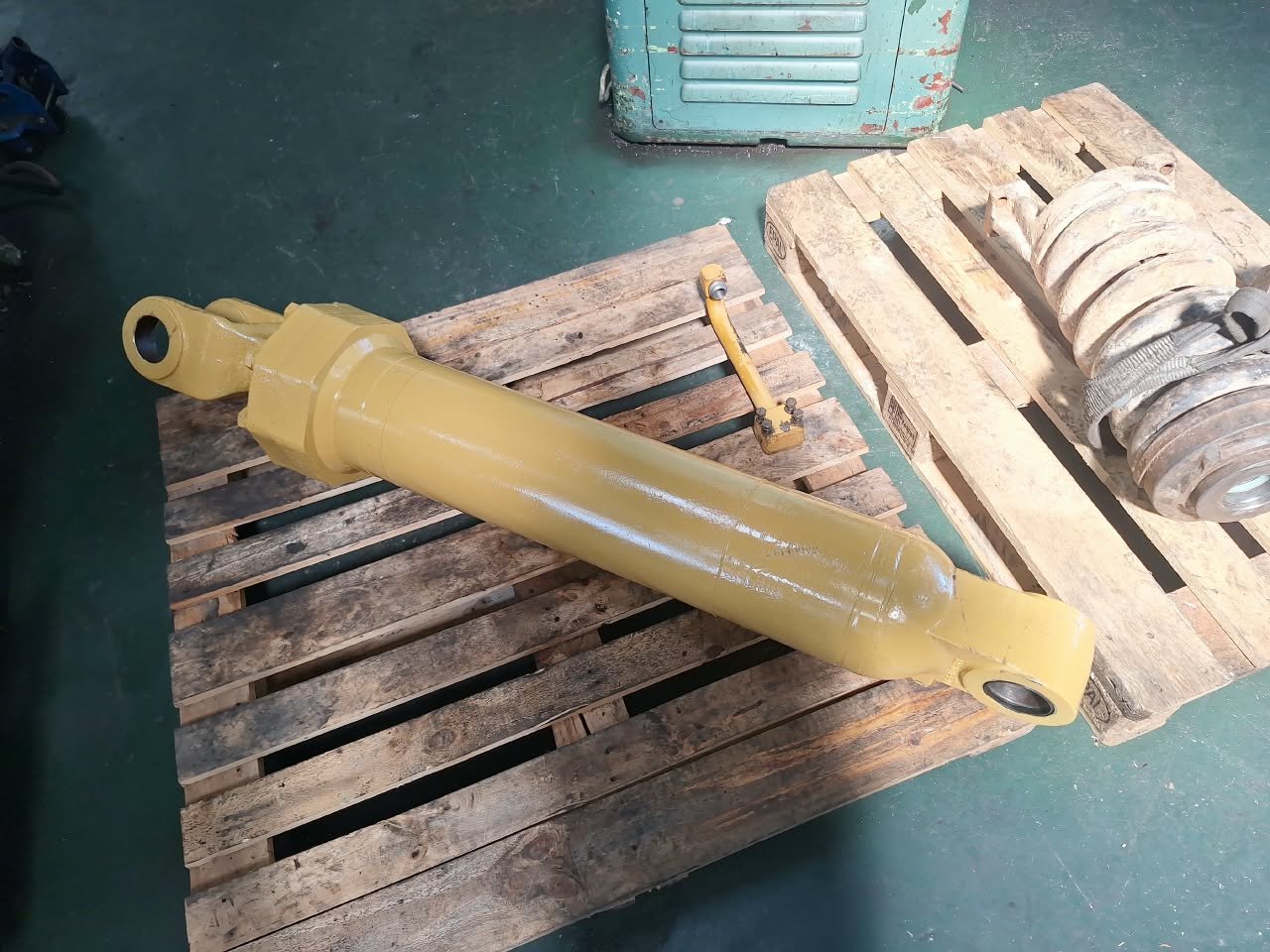
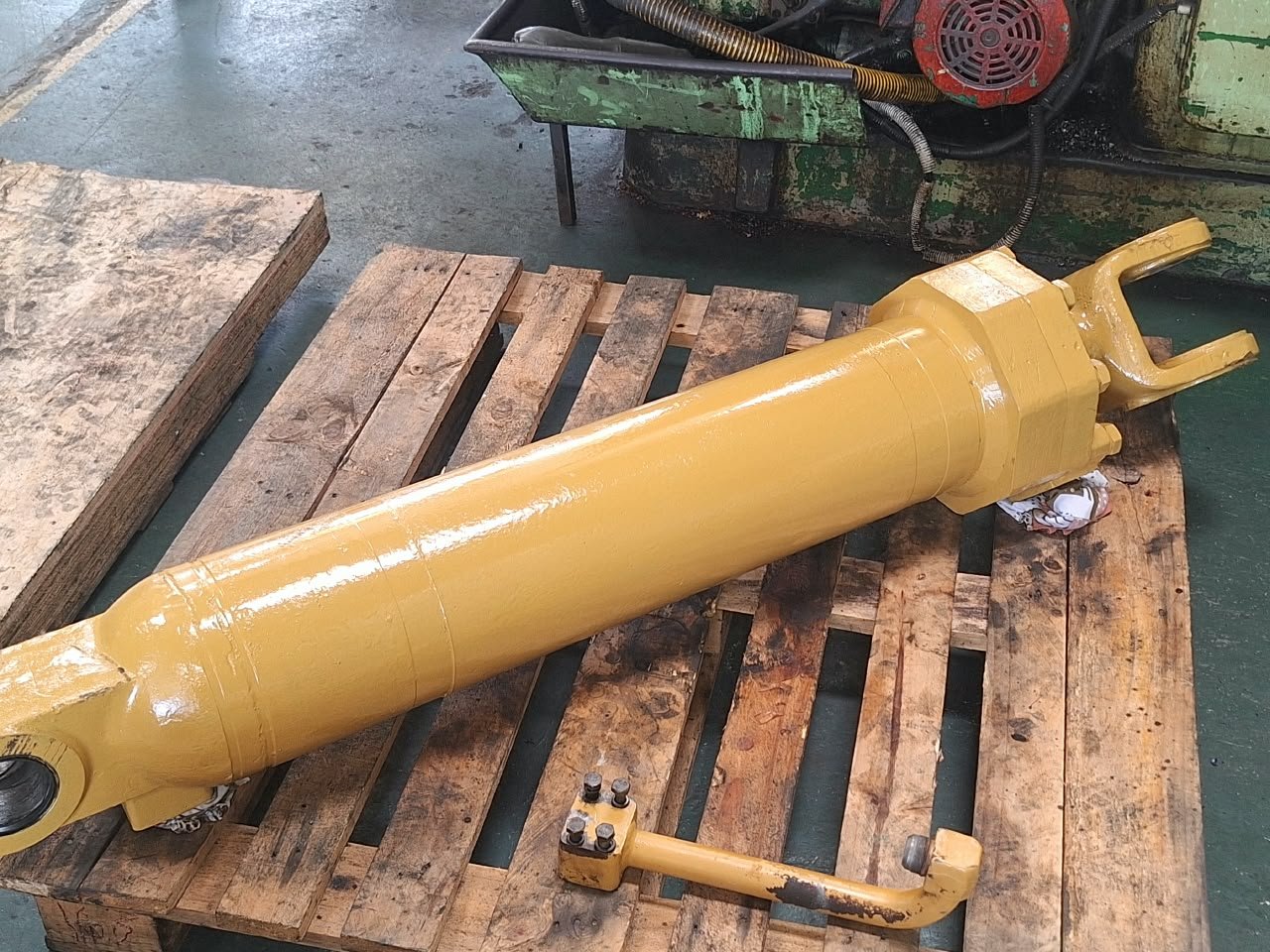
A hydraulic cylinder is a simple thing that lives a hard life. A tube, a rod, a piston and a set of seals, holding pressure against dirt, heat and side load.
When one starts leaking or losing pressure, replacing it is often the first thought and rarely the cheapest answer.
Why cylinders fail
Seals wear out. This is the normal one and the easiest to fix. Seals are a consumable.
The rod gets damaged. A scratch or a ding on the rod cuts the seal every time it passes. Once that starts, new seals last weeks. The rod has to be repaired or replaced, not just re-sealed.
The rod corrodes. Chrome plating gets pitted, usually where a machine has stood outside or worked in a wet environment. Same result as a scratch.
The bore scores. Usually from contamination in the oil, or from a piston that has lost its wear band and is running metal on metal.
Side load. A cylinder is designed to push and pull along its own axis. Loaded sideways, the rod bends and the bushes wear oval.
What a rebuild involves
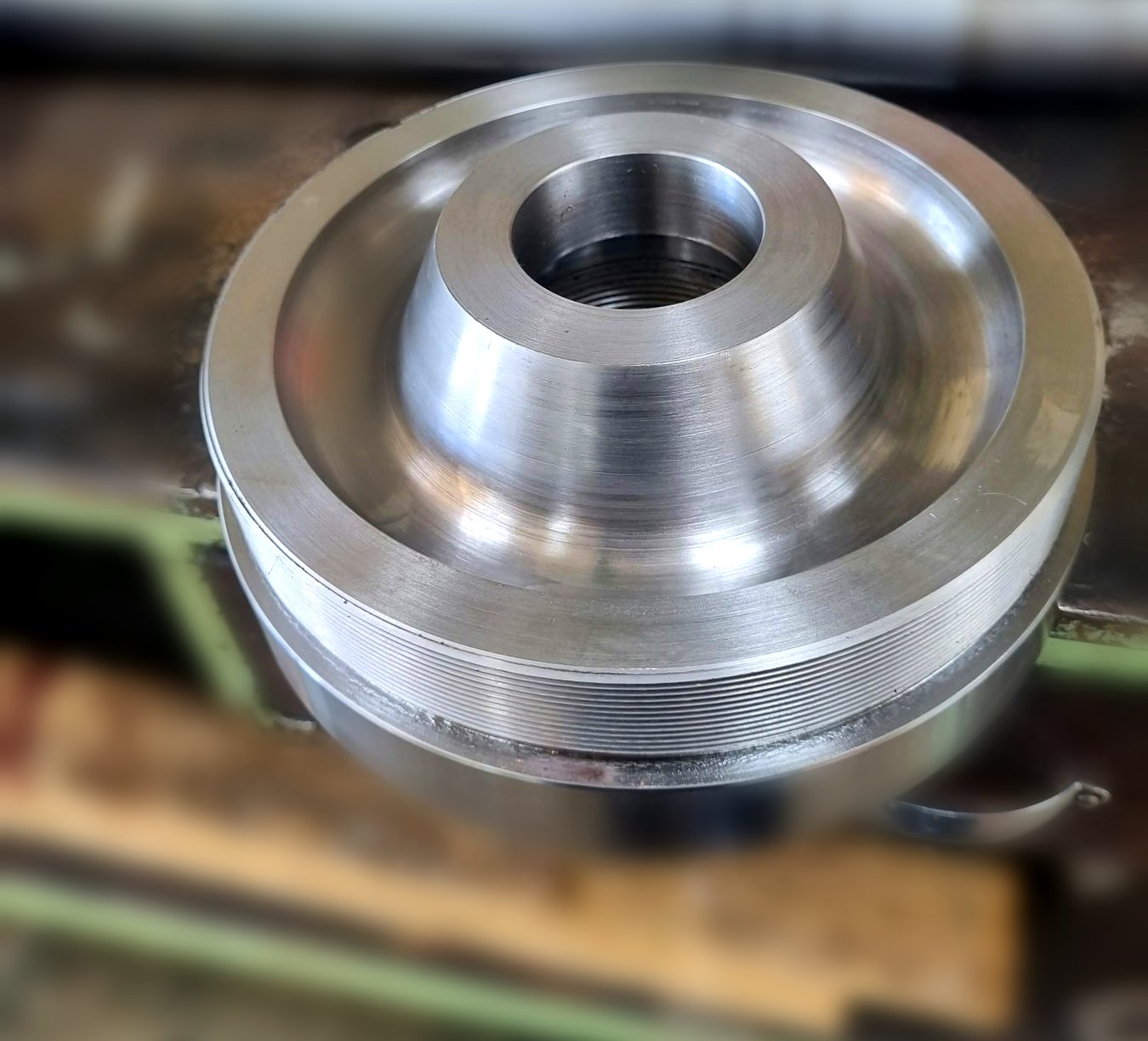
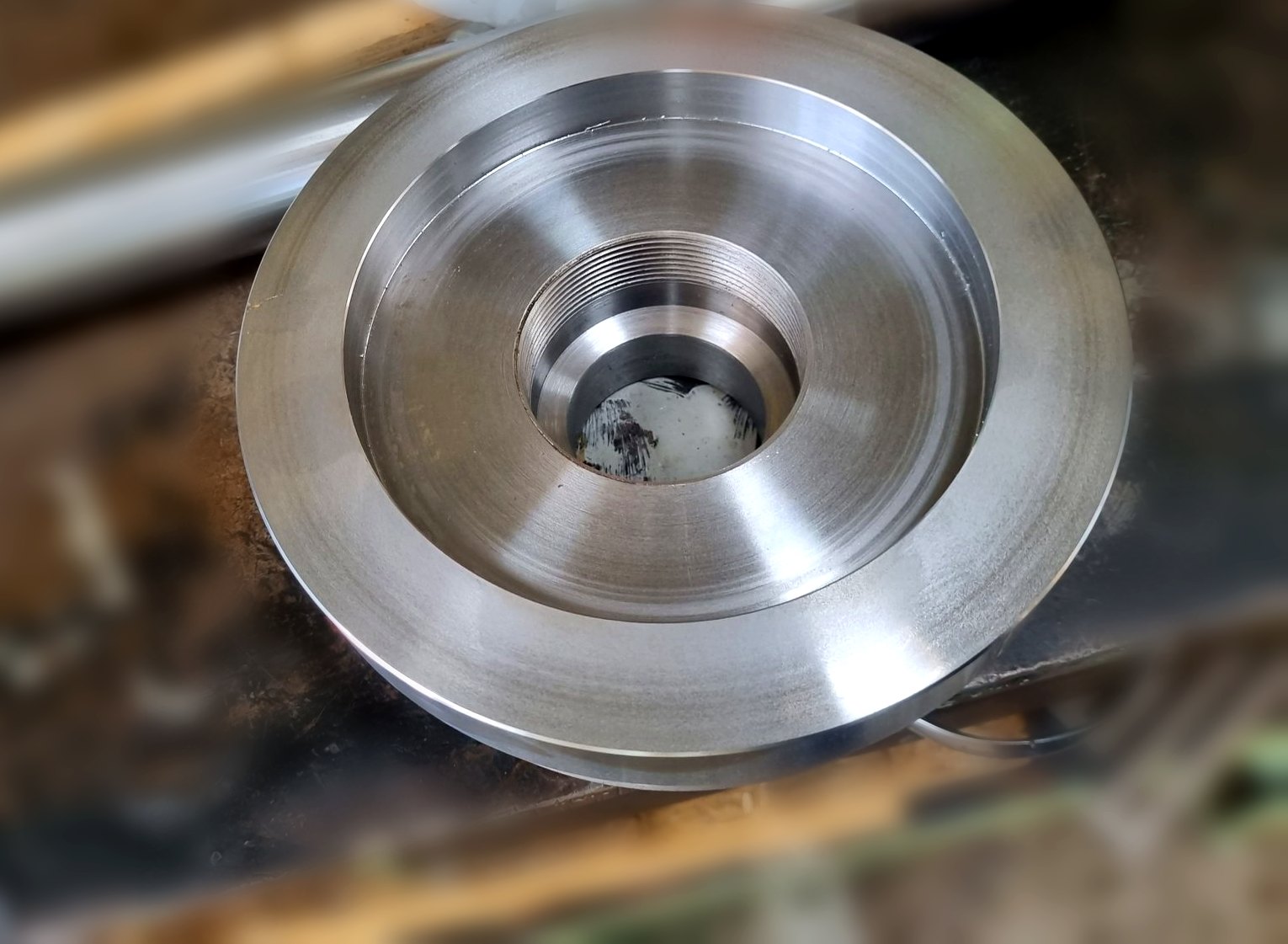
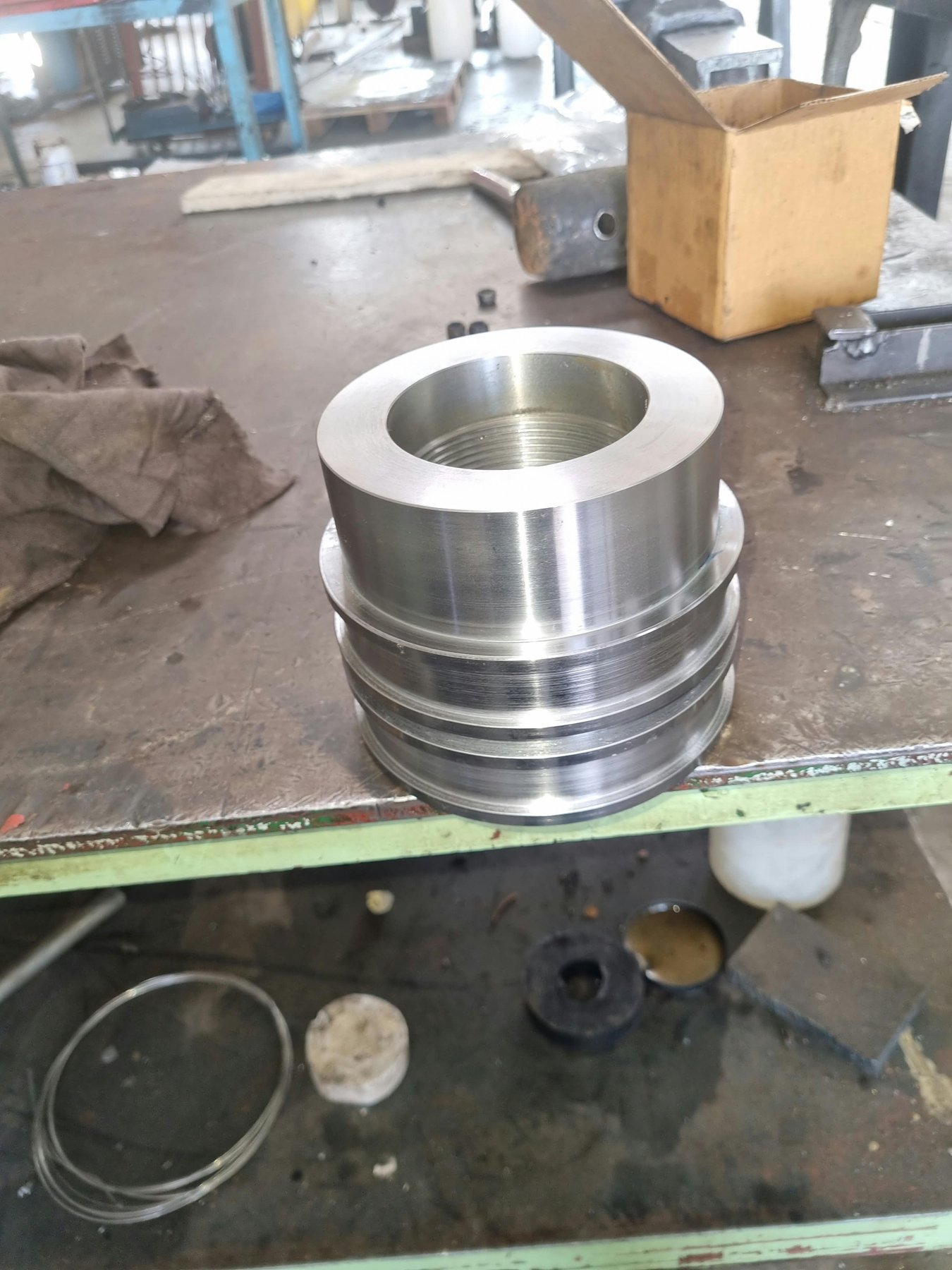
The cylinder is stripped, cleaned and measured. The bore is checked for scoring and ovality. The rod is checked for straightness, damage and plating condition. Bushes and glands are measured for wear.
Then you get told what it needs. Sometimes that is a seal kit. Sometimes it is a seal kit, a re-honed bore and a new rod. The parts that are still good are kept.
It goes back together, is pressure tested, and is checked for leaks and for smooth travel through the full stroke.
Manufacturing new
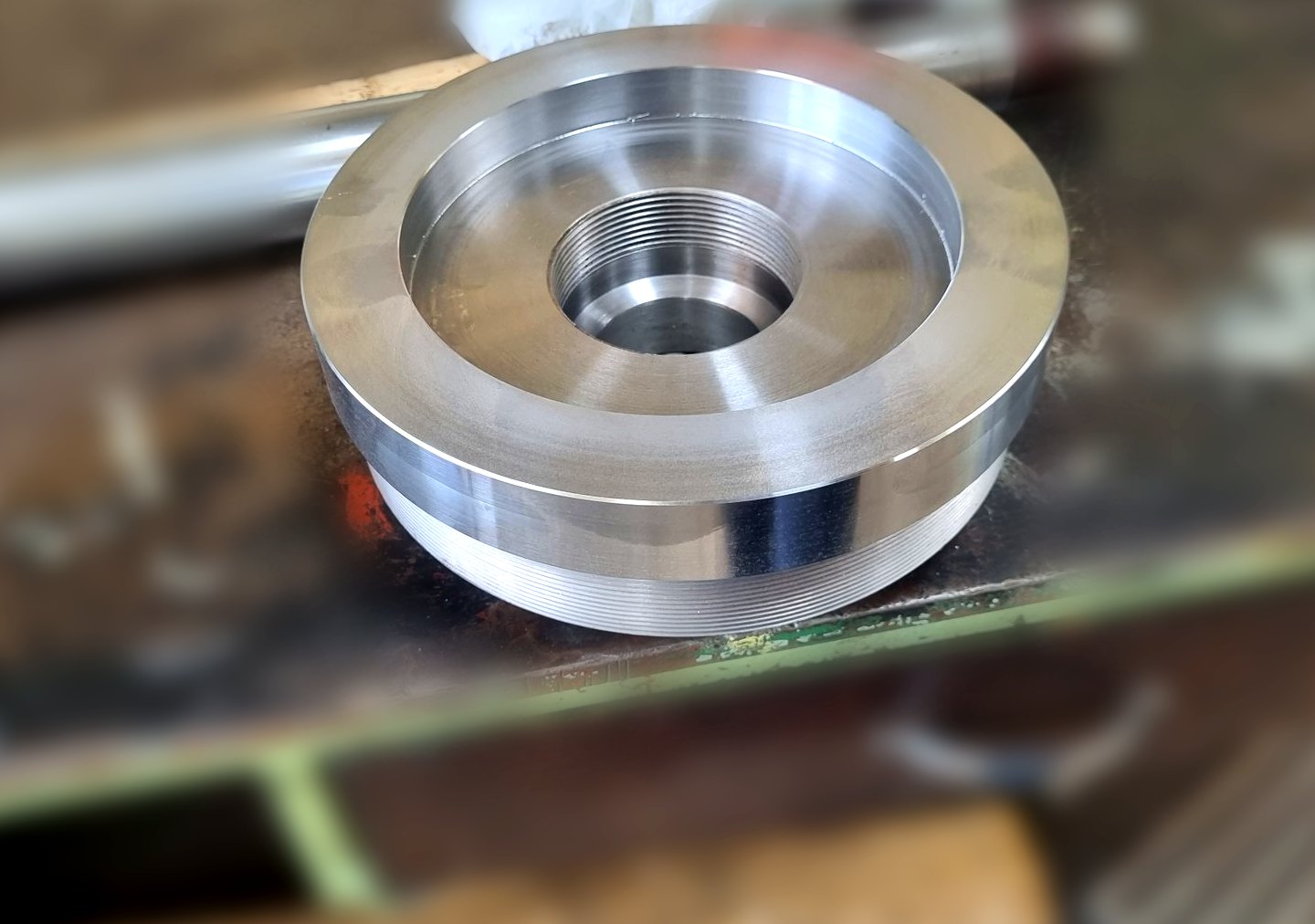
Where a cylinder is obsolete, or where the machine is one of a kind, a new one can be made to the same dimensions and mountings. That is often the position with older imported equipment, where the original is either unavailable or quoted at a price and a lead time that make no sense for the machine it goes into.
Contamination is the thing that kills them
Most repeat failures come back to dirty oil. Particles score the bore and cut the seals, and the same cylinder comes back six months later with the same fault.
If a cylinder has failed badly, the oil in that system is worth checking before the rebuilt unit goes back on.
What we need from you
- Bore, rod diameter, stroke and closed length if you can measure them
- How it mounts at each end
- The working pressure
- What it is doing now — leaking, slow, drifting, or not moving
Send it through and we will quote it.
Enquiry
Send us your part.
Tell us what's broken, worn or needed from scratch. Photos and drawings help. We'll quote it and get back to you.