
 1 / 18
Services · 01
Precision machining
Most of the parts we make were never meant to be made twice. They came inside a machine, they wore out, and the company that built them has either moved on or wants nine months and a minimum order to make another one.
That is the work. Someone brings us a part, or a drawing of a part, and we make it again.
Working to drawing, and working to sample
There are two ways a job arrives.
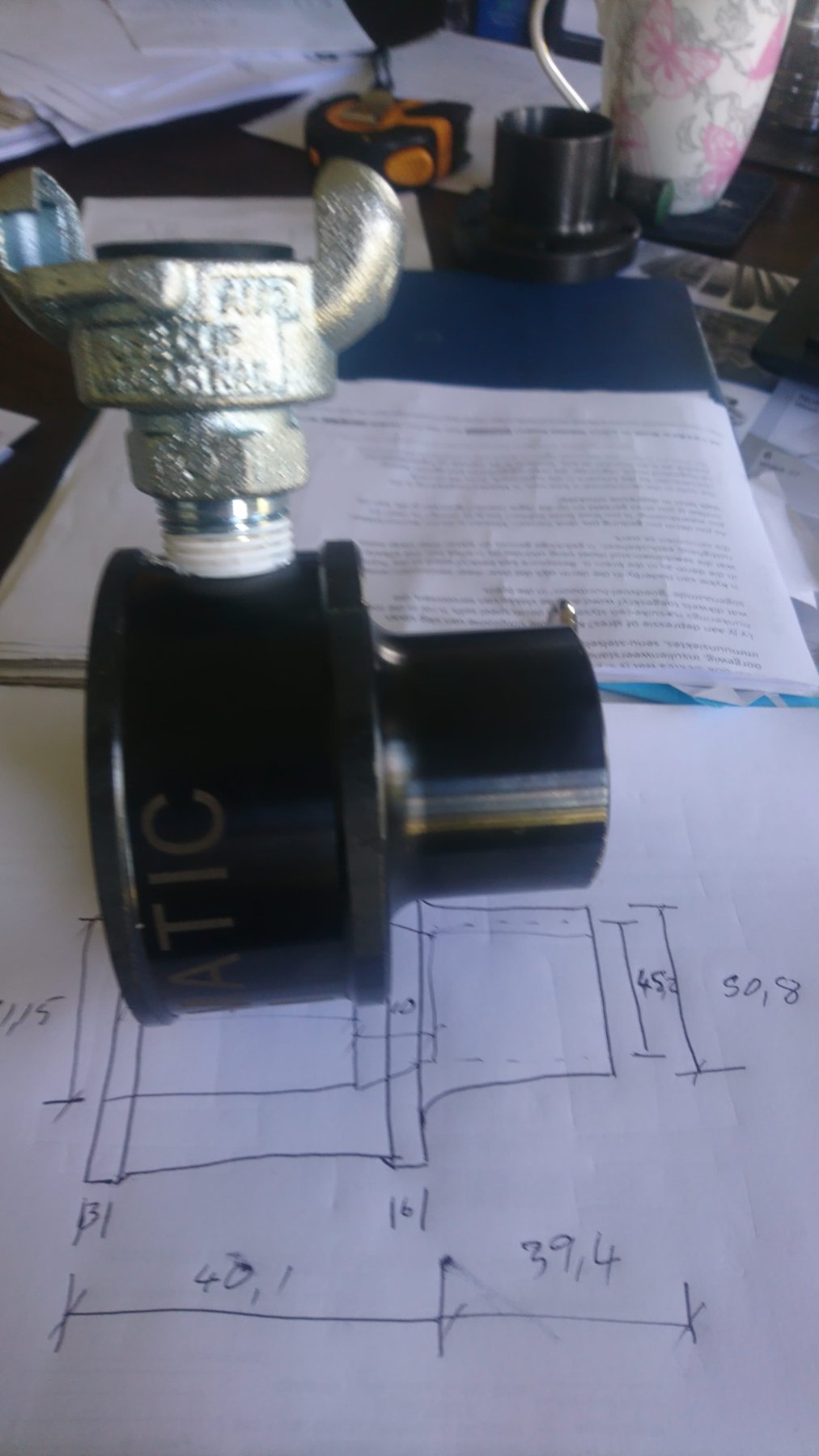
To drawing is the straightforward one. You have the original drawing or a CAD file with the dimensions and tolerances on it, and we machine to what it says. The part is measured against the drawing before it leaves the floor.
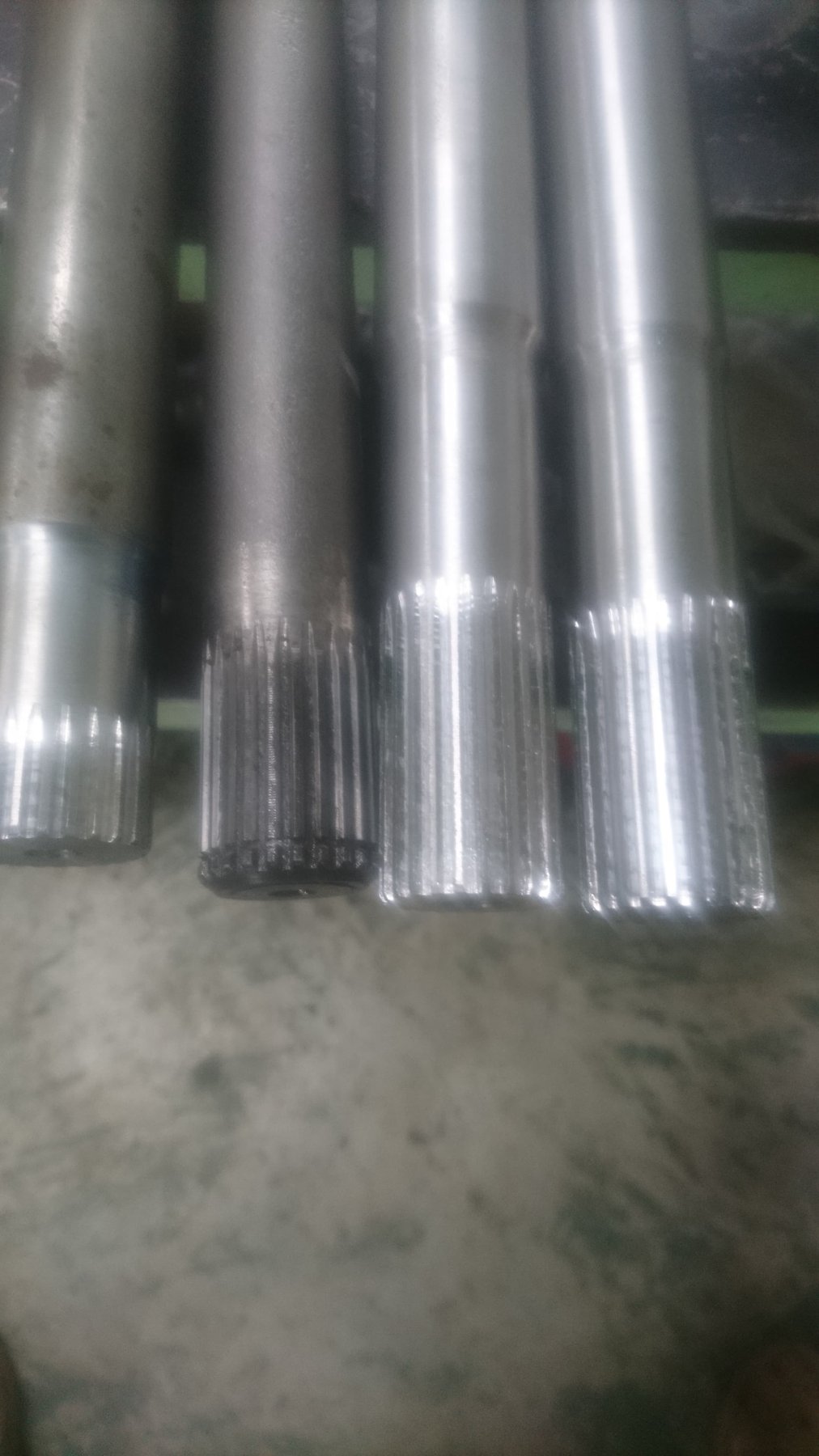
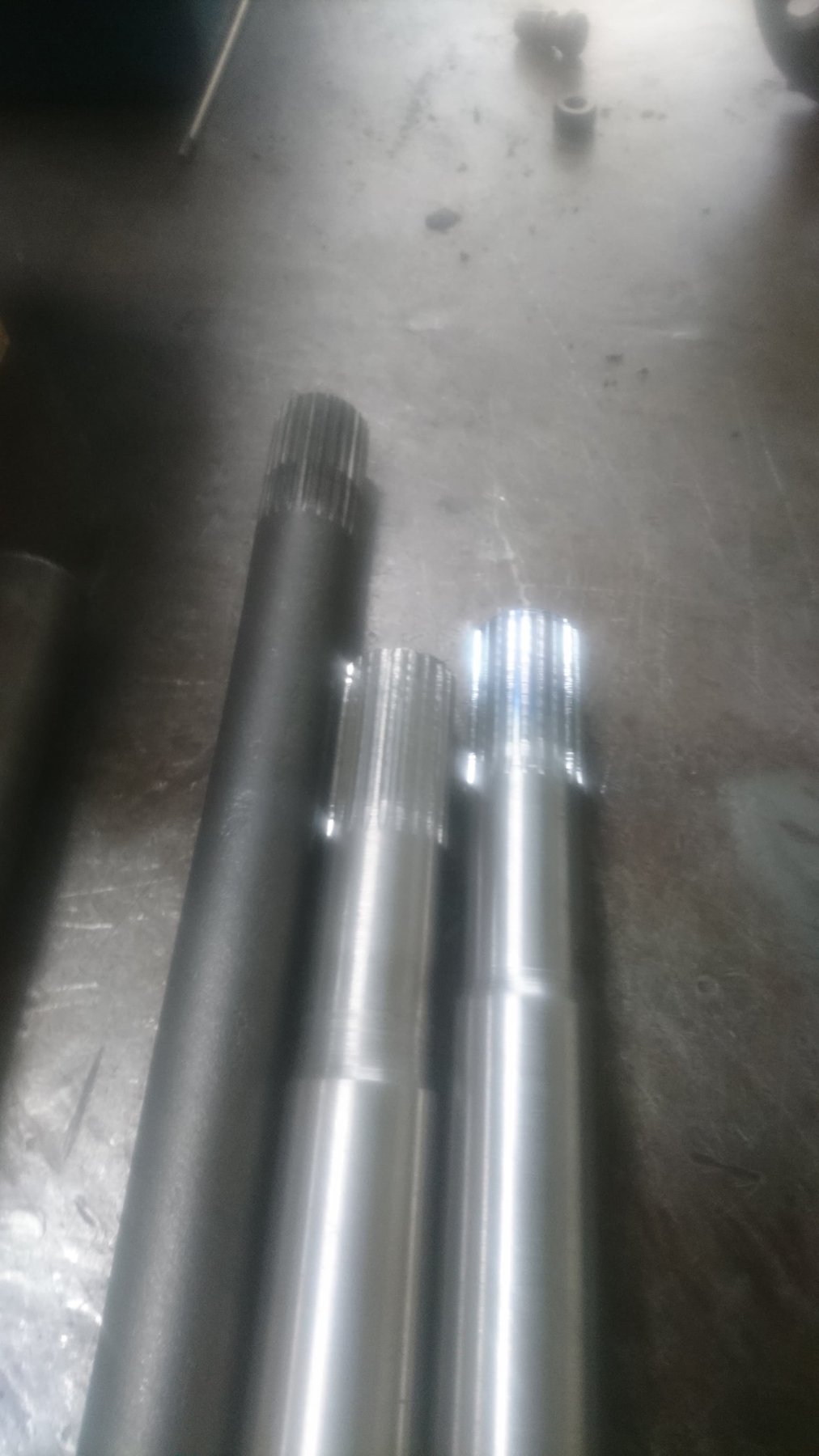
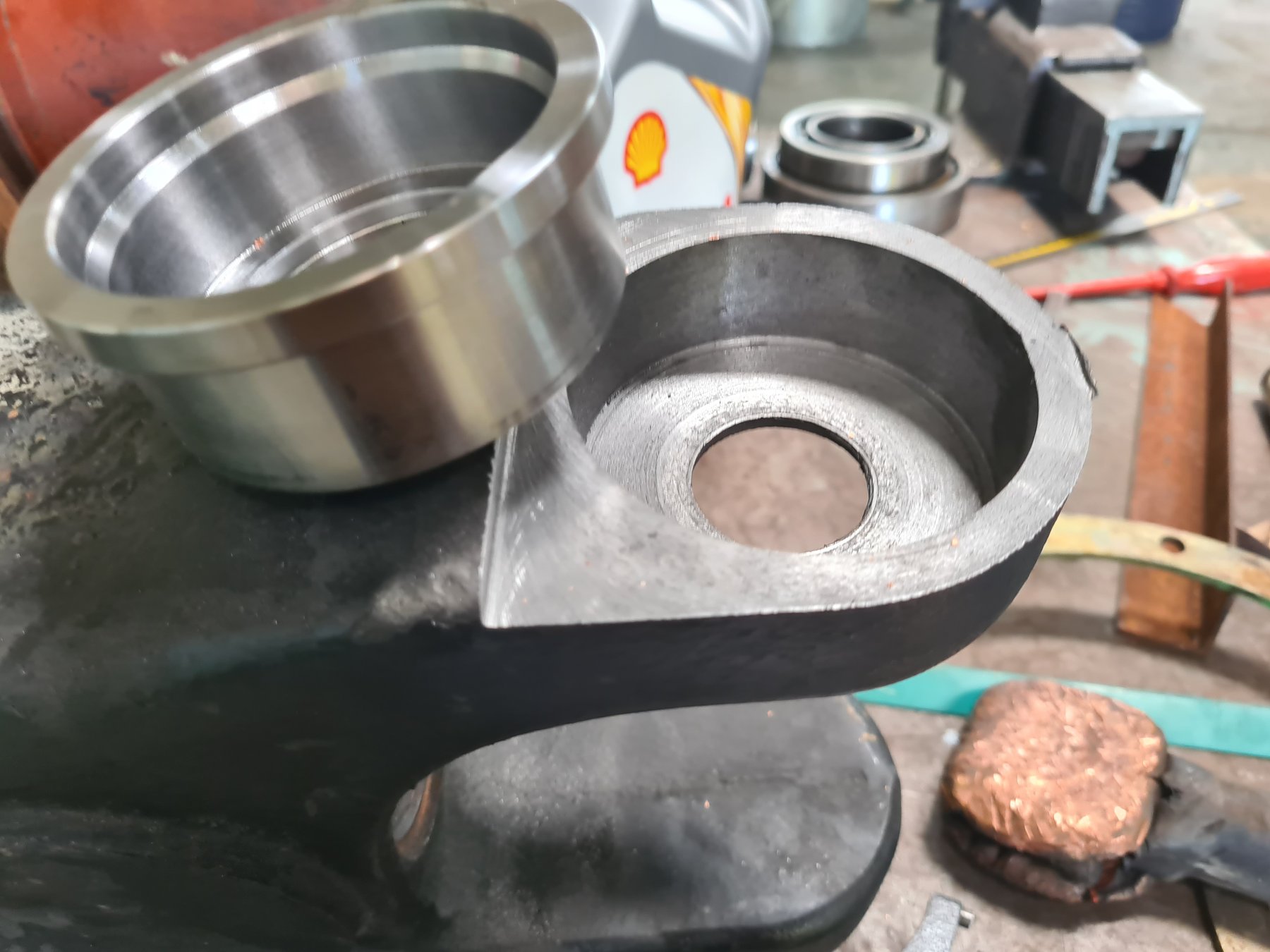
To sample is the more common one in practice. There is no drawing. There is a worn part in a box, sometimes in pieces. We measure what is left, work out what the original dimensions were before it wore, and machine a new one. Where a shaft has worn undersize or a bore has gone oval, the measurement has to account for that — you are reconstructing the part as it was made, not as it ended up.
If you have the old part, bring it. It carries information no drawing does: where it wore, how it failed, and whether the replacement should be made in the same material or something harder.
Turning, milling, surface grinding
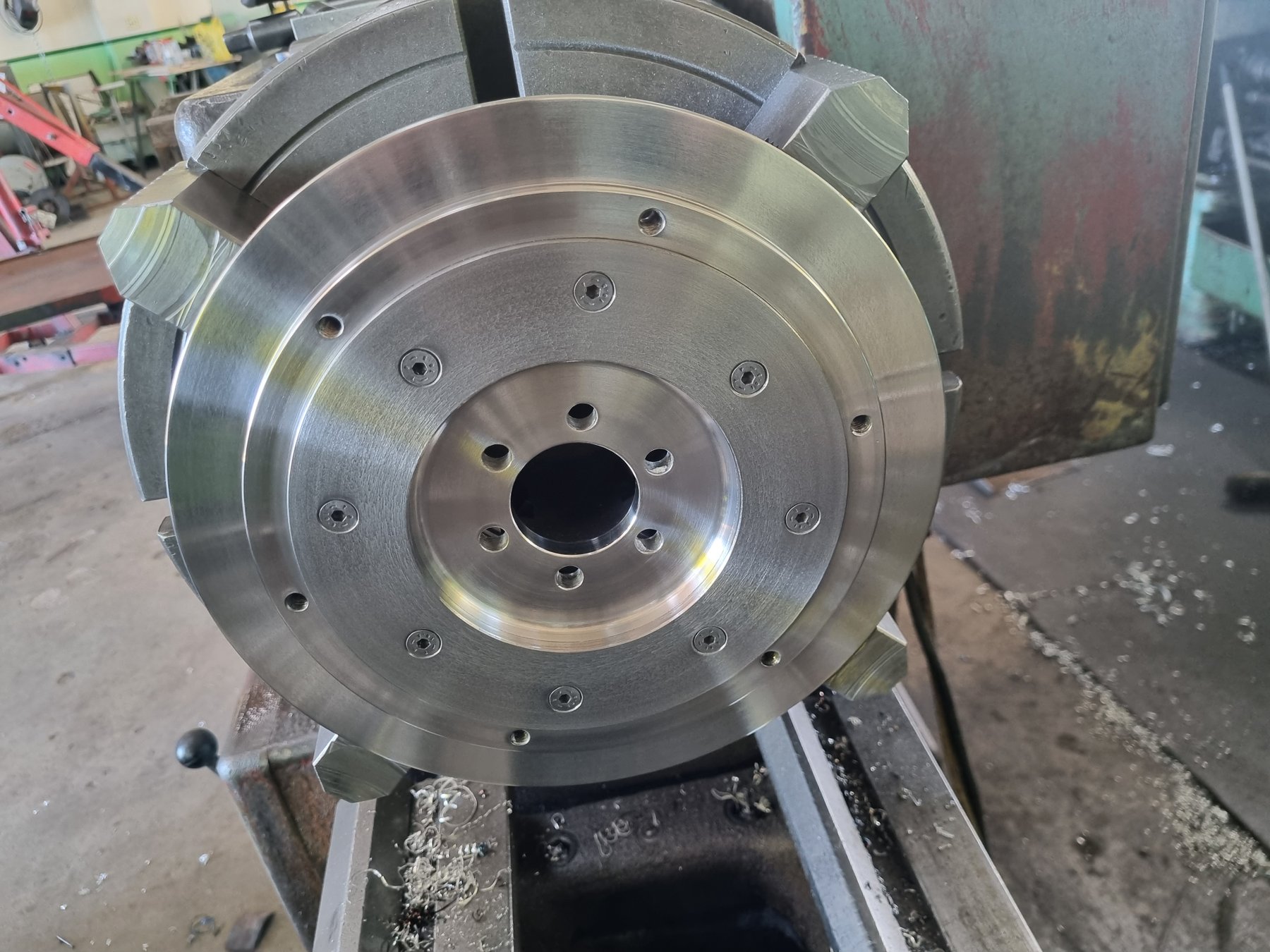
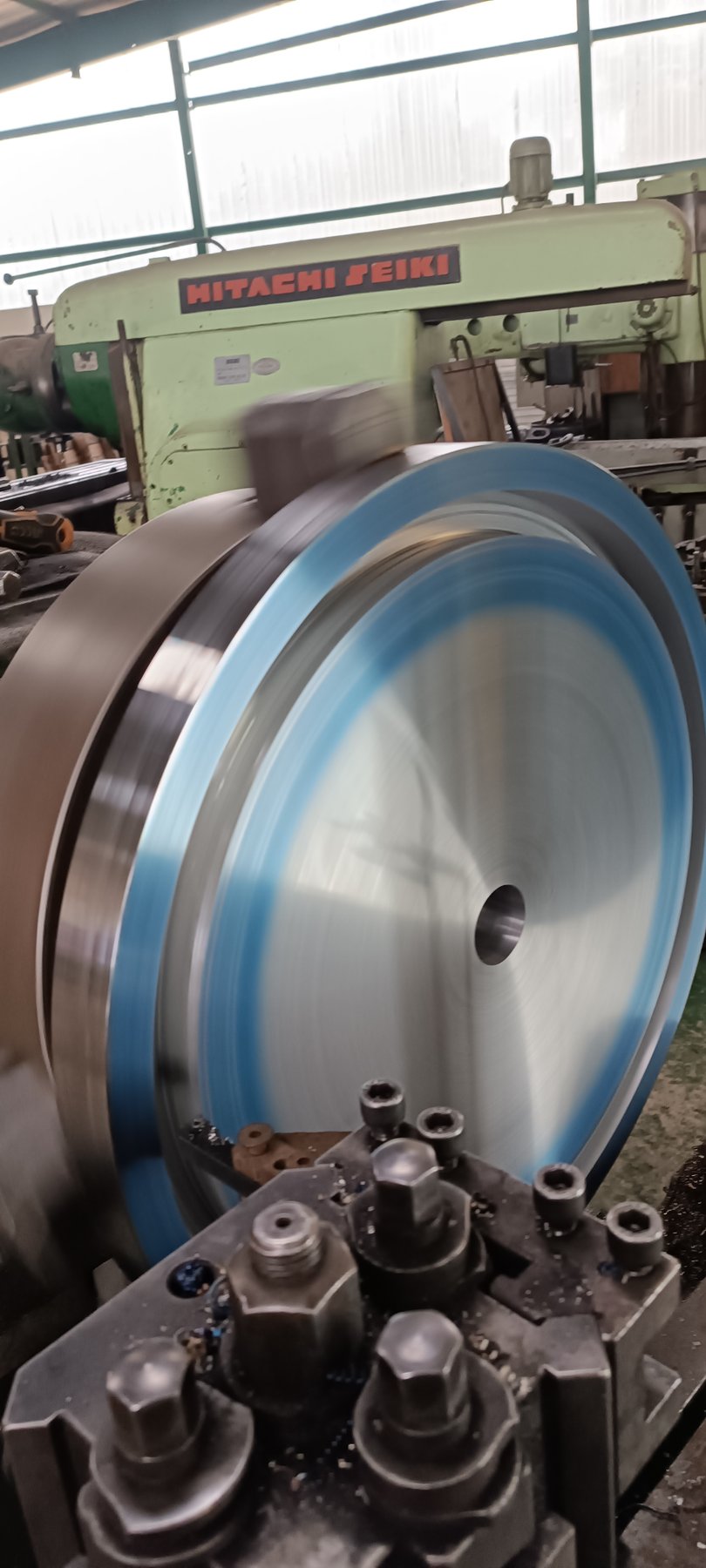
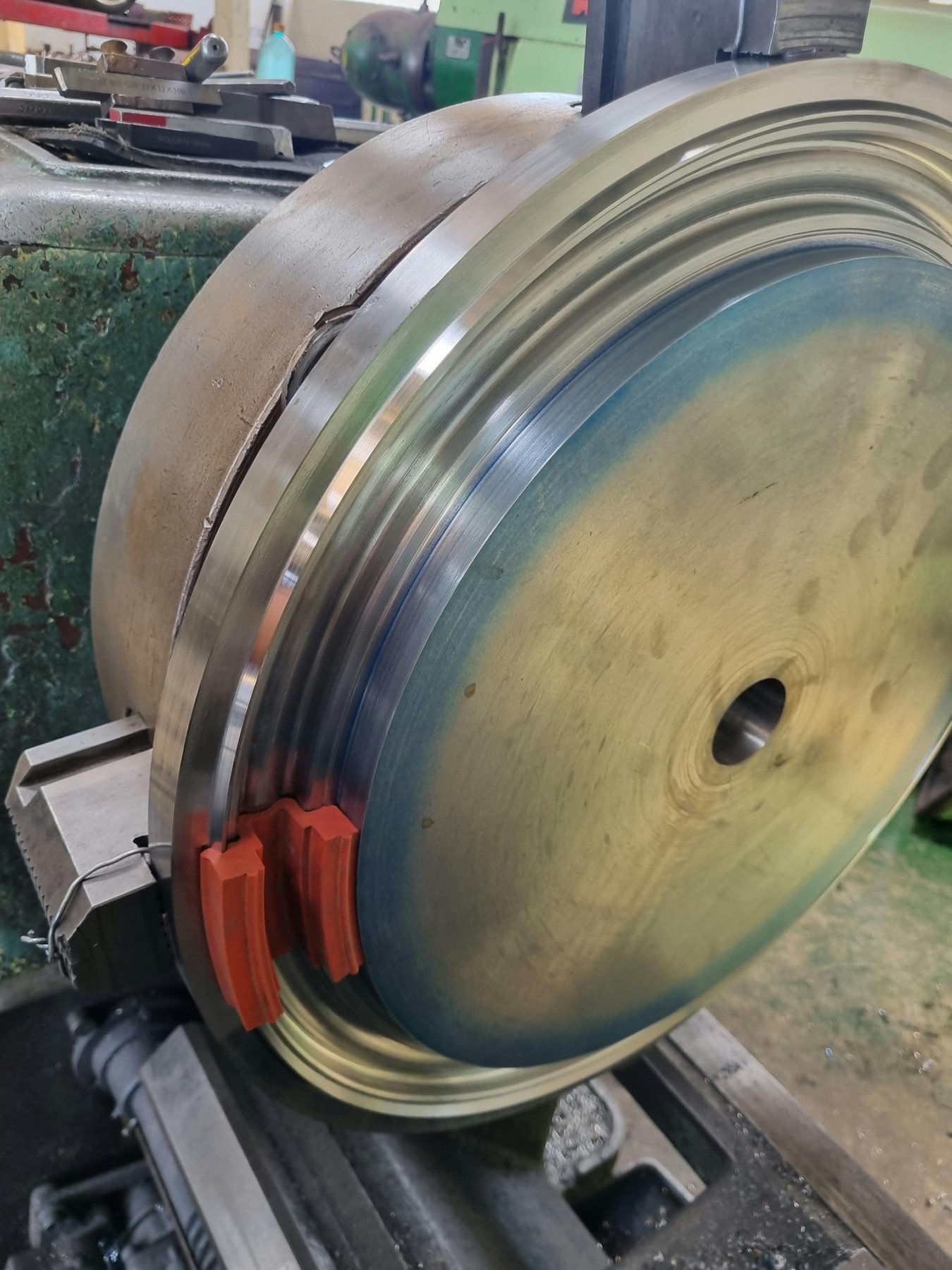
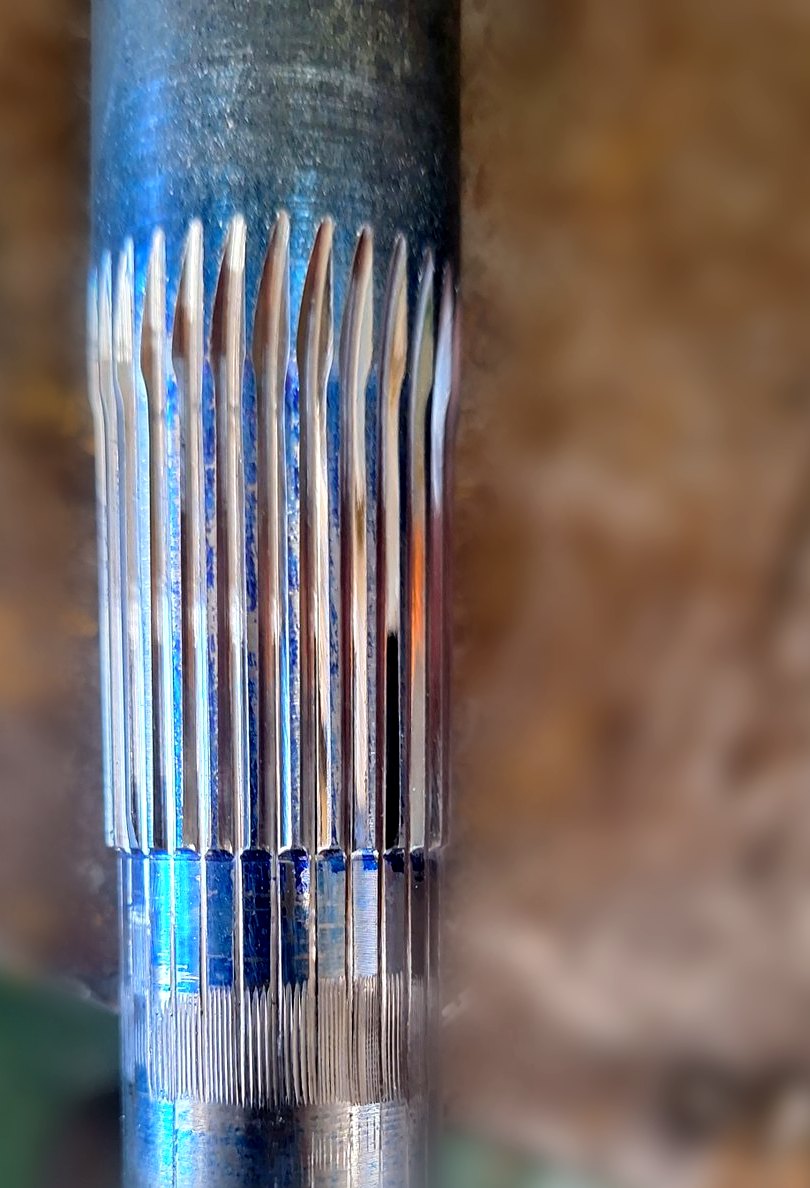
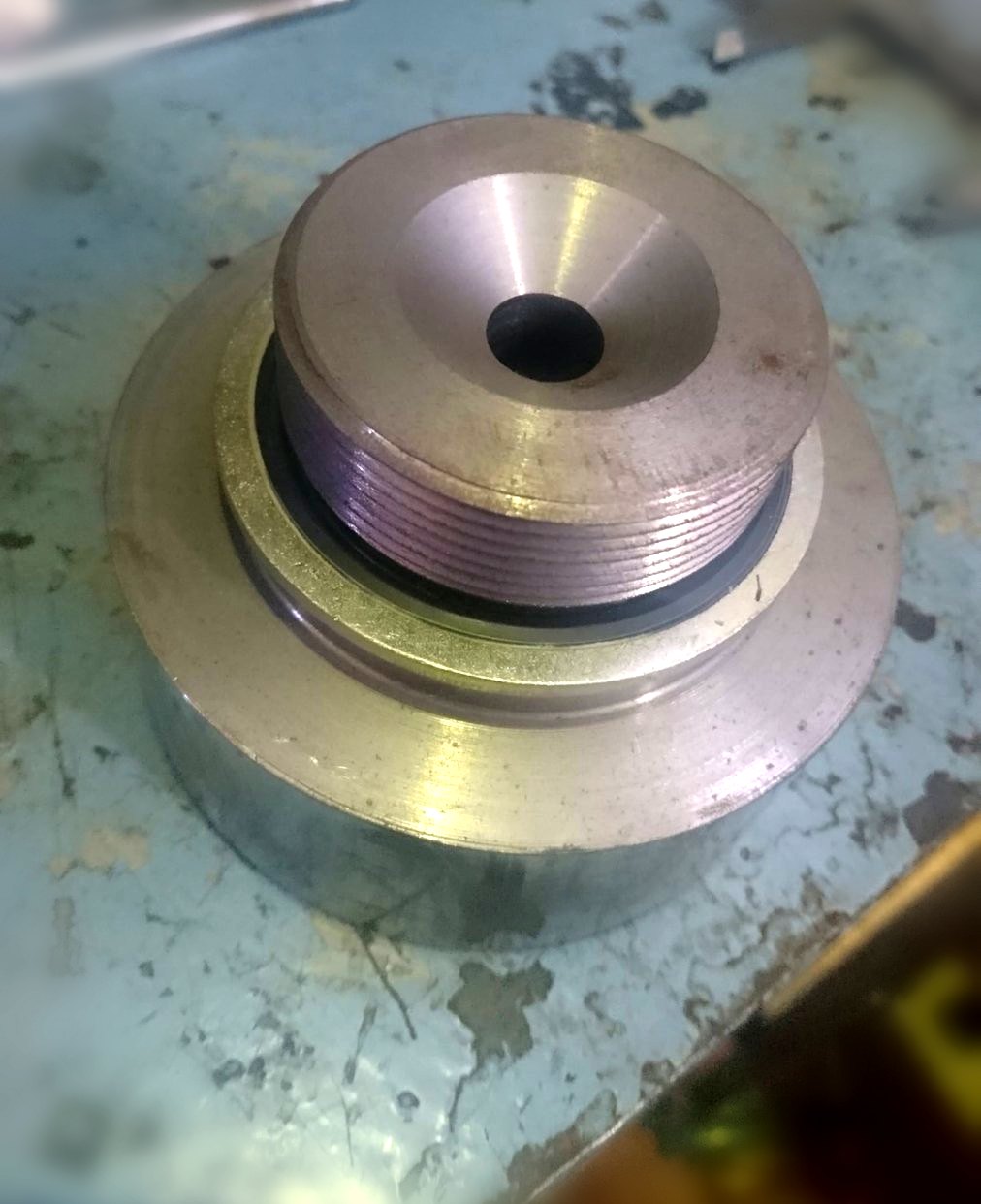
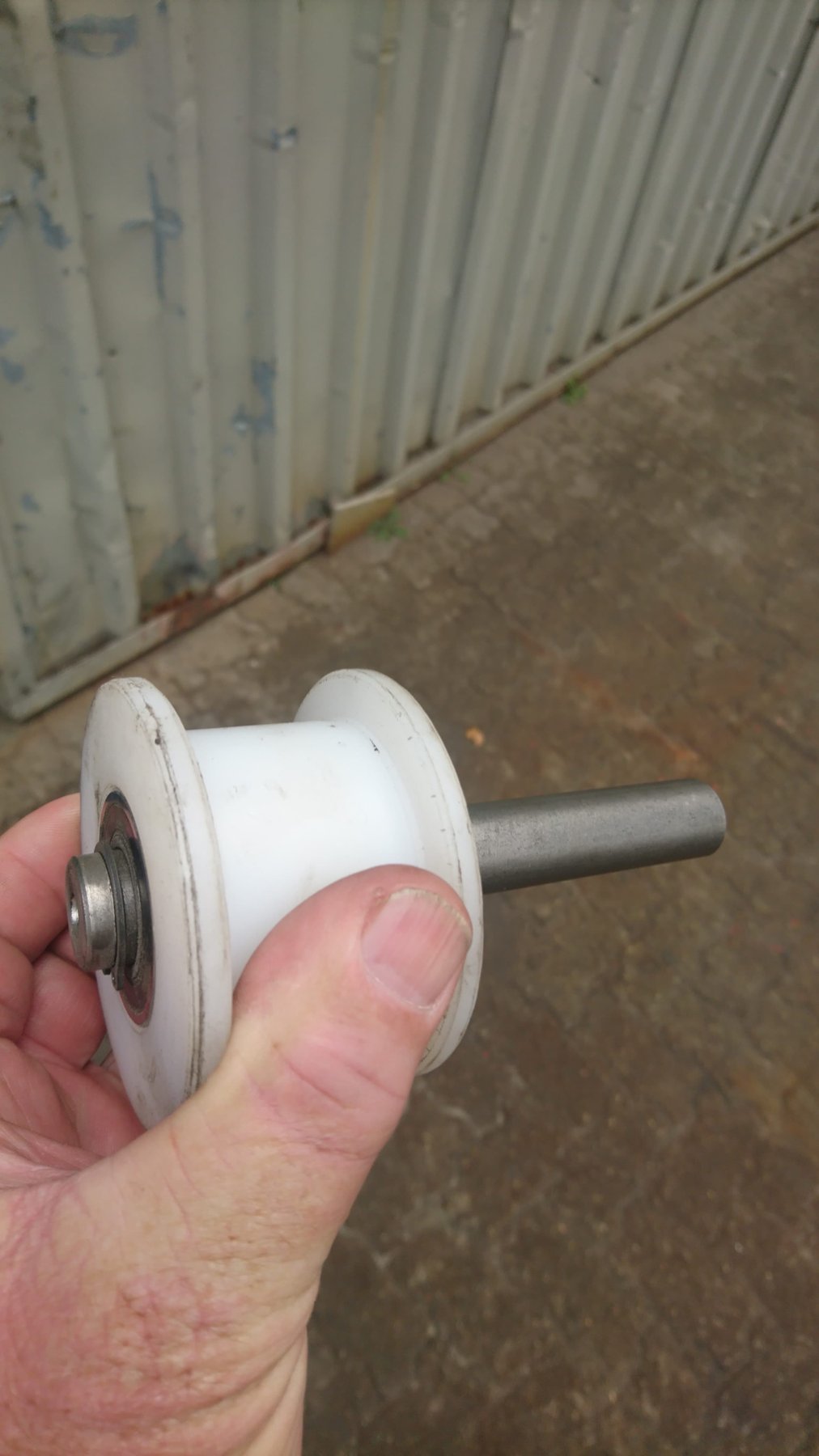
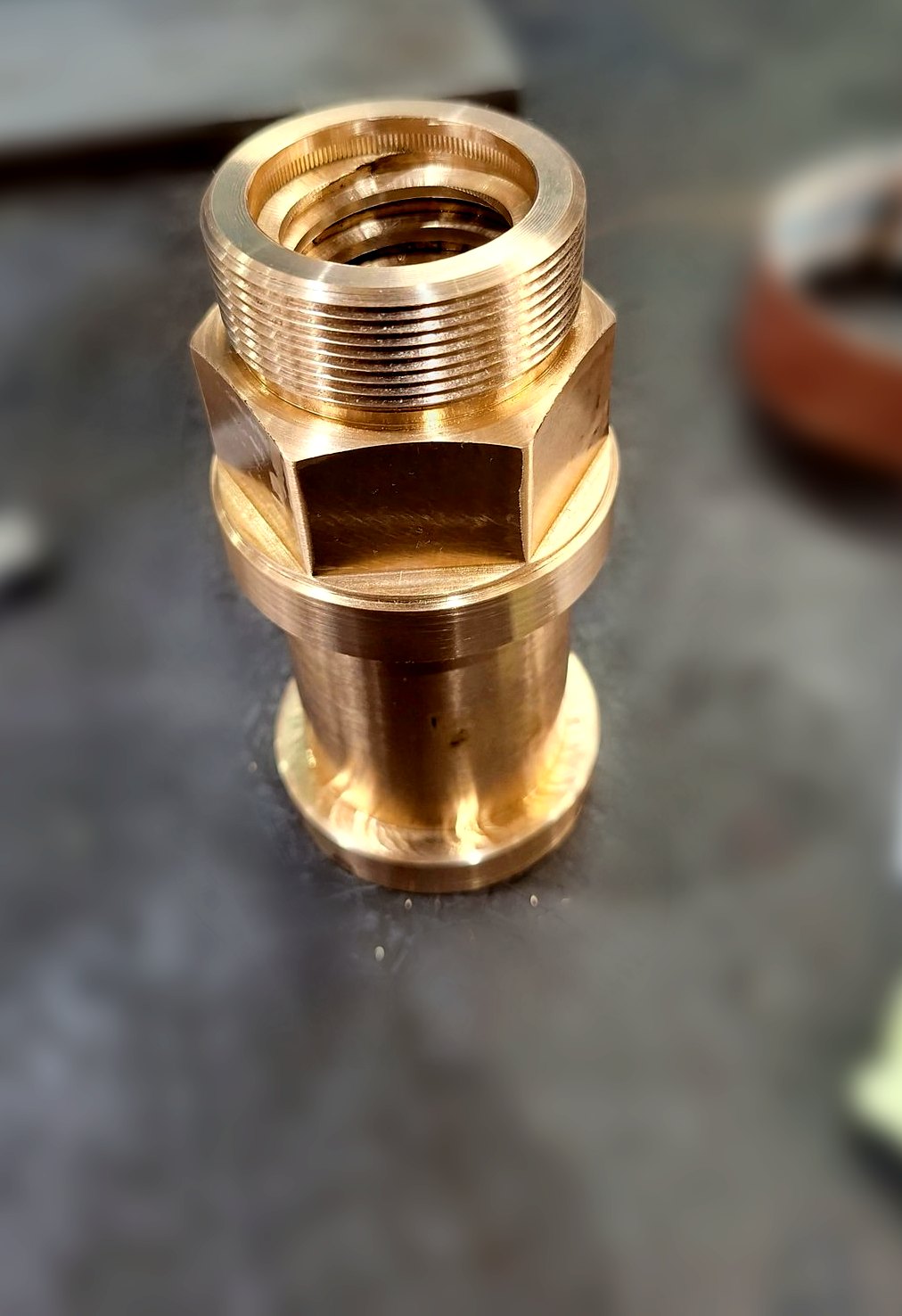
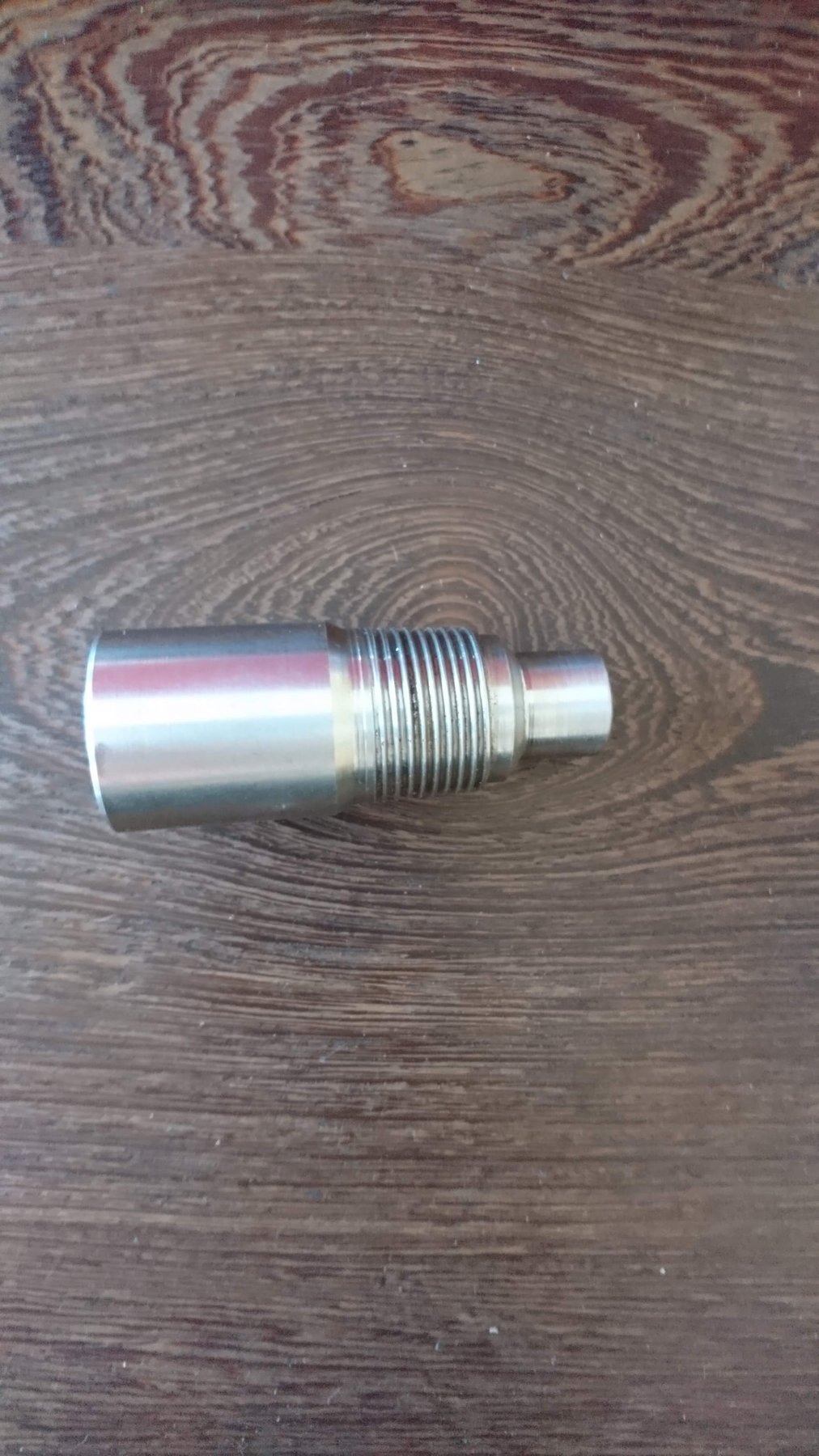
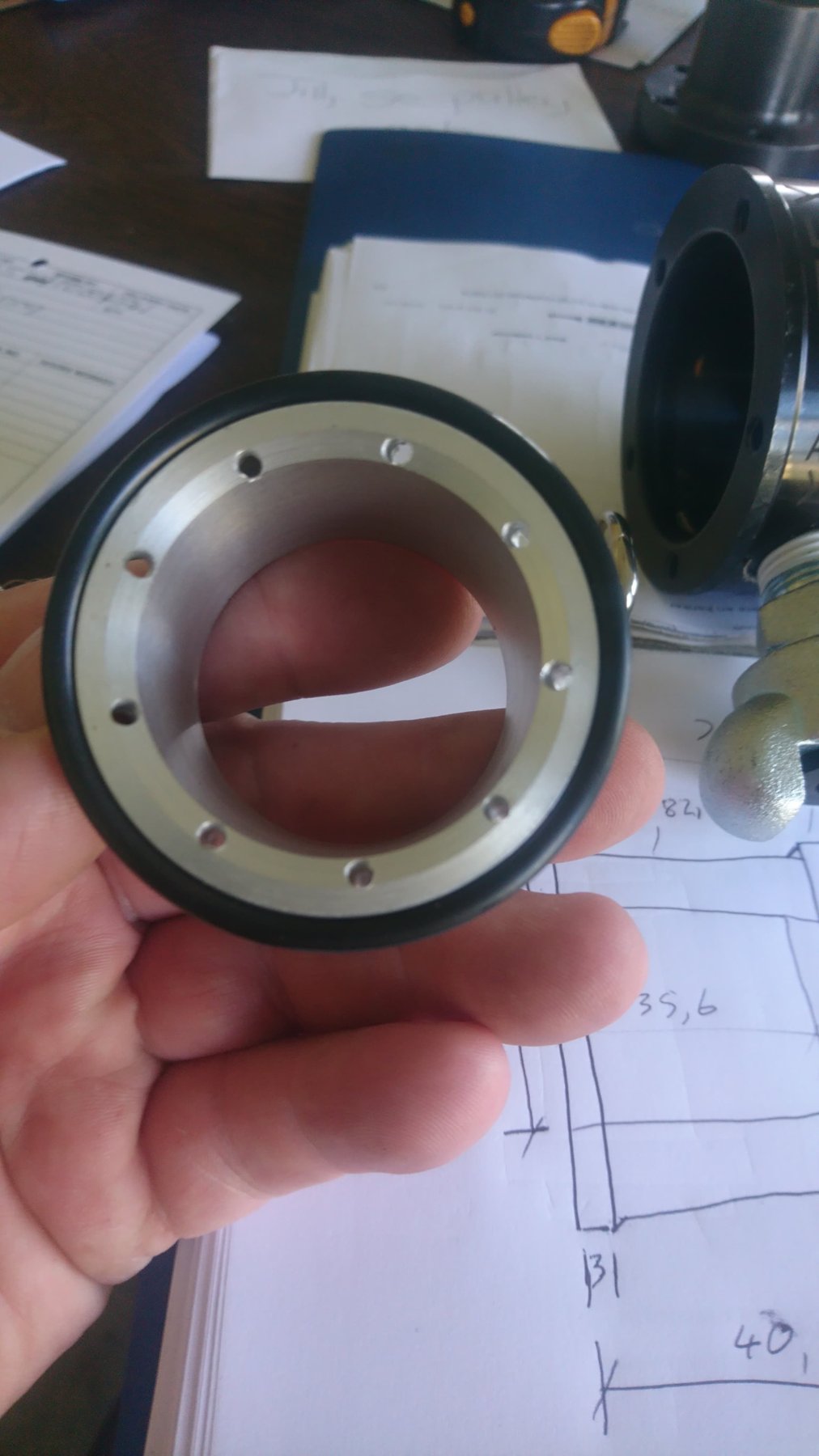
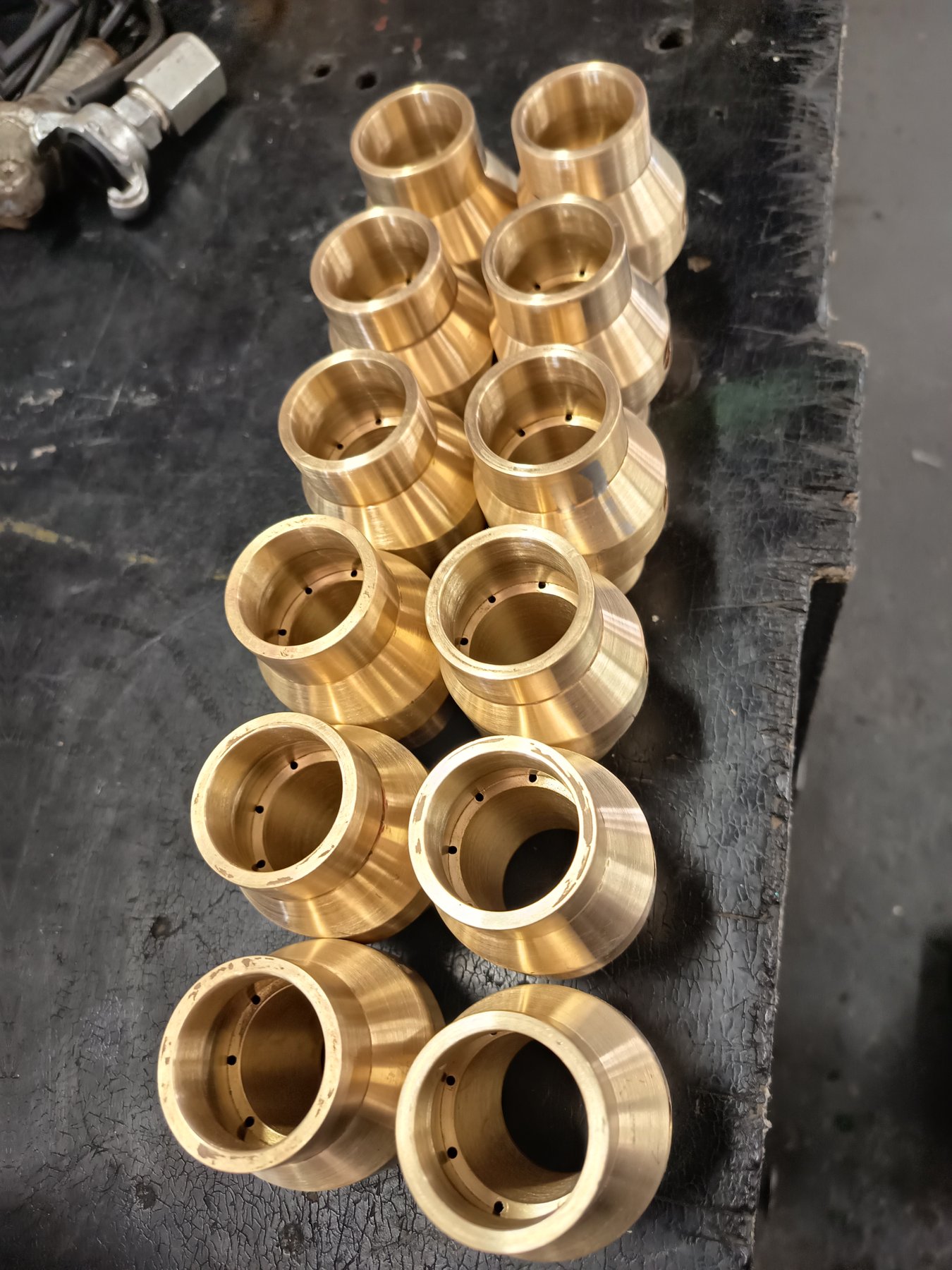
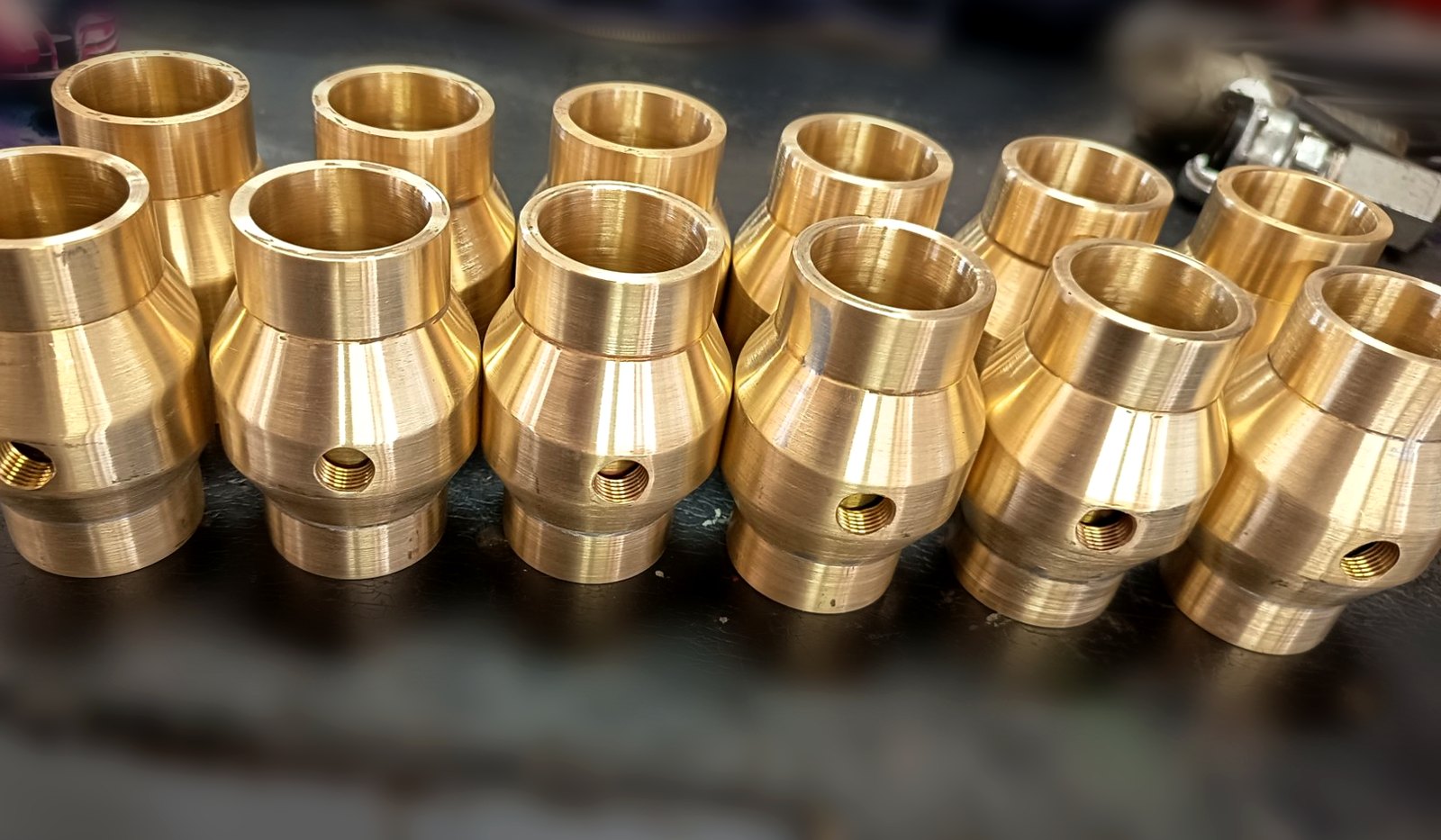
Turning produces anything round — shafts, bushes, sleeves, housings, flanges, spindles, rollers. The part turns and the tool moves along it.
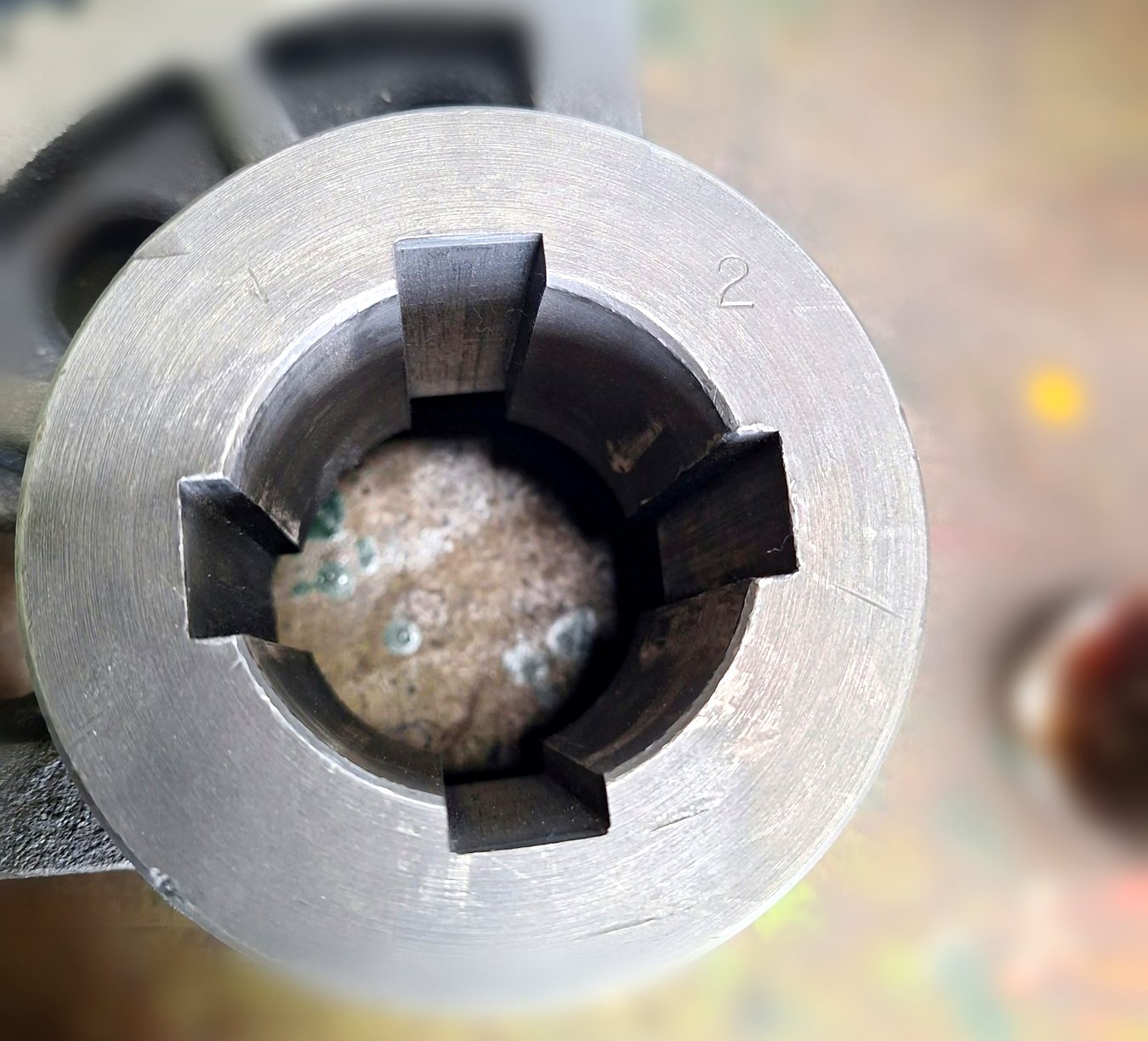
Milling produces flats, slots, keyways, pockets and faces. The cutter turns and the part moves under it.
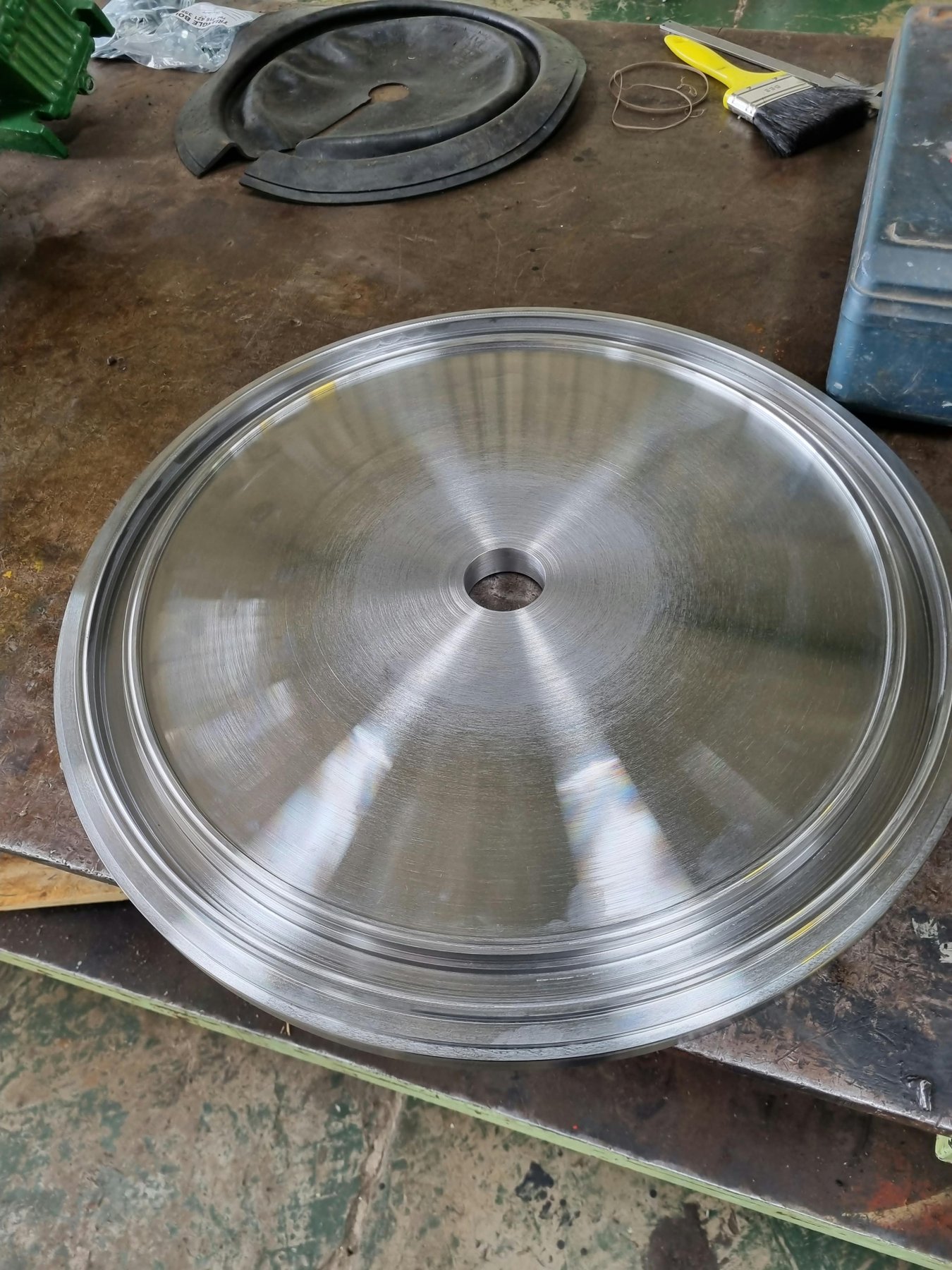
Surface grinding is the finishing operation for flat faces — used where milling cannot hold the flatness, the tolerance or the finish. Plates, blocks, flanges, wear faces and mould faces are surface ground so that they sit dead flat and seal properly.
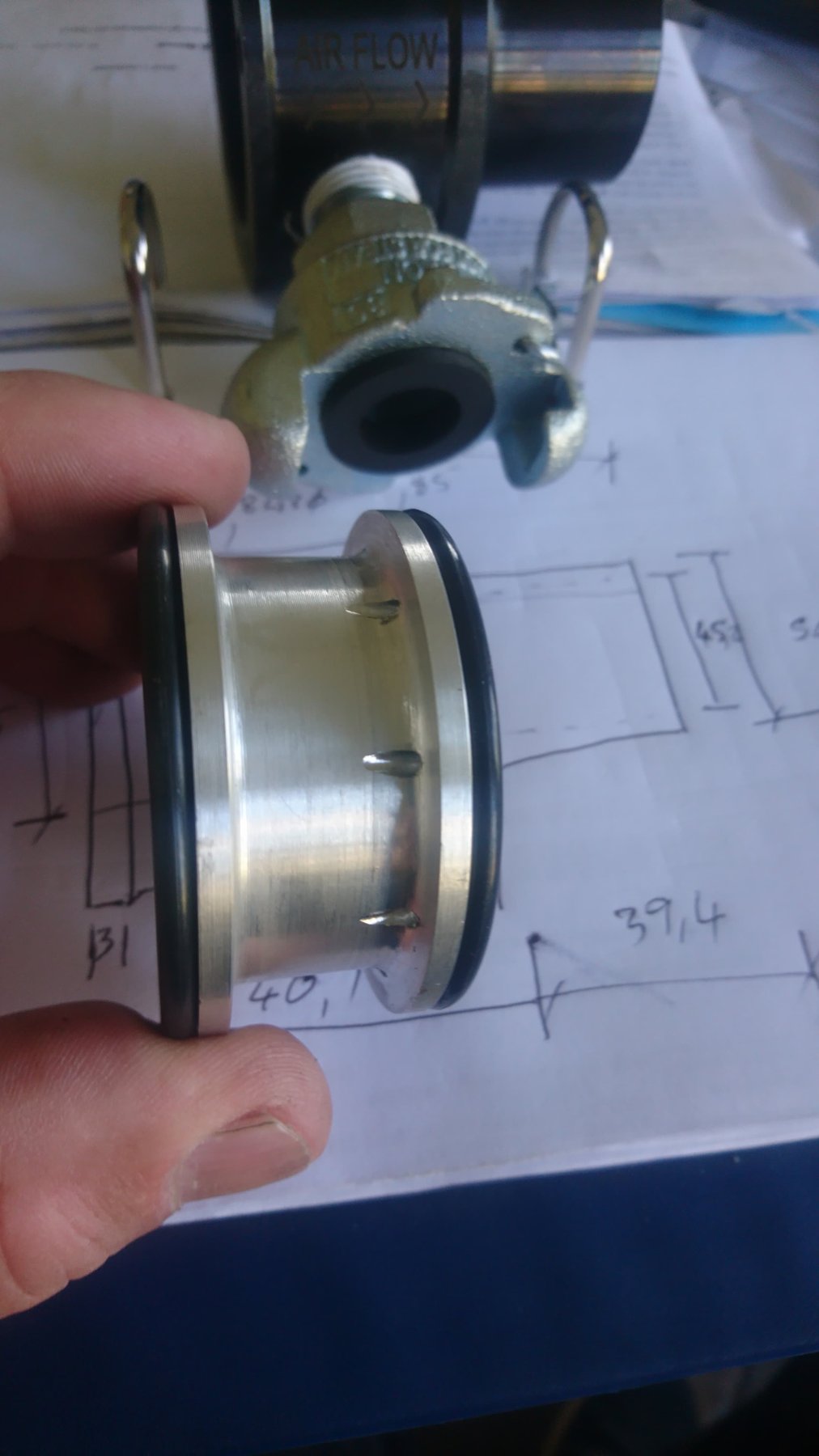
Most real parts need more than one of these. A flange might be turned to size, milled for its bolt holes and slots, then surface ground on the face that has to seal.
Obsolete and discontinued parts
This is where a local machine shop earns its place. When a machine is fifteen or thirty years old, the spares are often no longer stocked. The importer's answer is a lead time in months, or a quote to replace the whole assembly.
A part can usually be remanufactured from the worn one in a fraction of that time, quoted in rands, with no forex on it. For a plant that is standing, the difference between three days and three months is the whole cost of the job.
What we need from you
- The worn or broken part, if you still have it
- A drawing or a photograph, if you do not
- The material, if you know it — and if you do not, we can usually tell from the part
- How many you need, and by when
Send it through and we will quote it.
Enquiry
Send us your part.
Tell us what's broken, worn or needed from scratch. Photos and drawings help. We'll quote it and get back to you.